
Should You Record a Police Stop? Know the Law in California
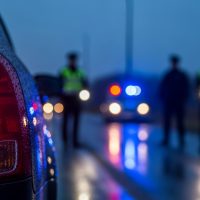
For many motorcycle riders, a traffic stop can feel tense from the moment the patrol lights come on. In some cases, riders may worry about being profiled, unfairly questioned, or subjected to unlawful searches or arrests. Video recordings of police encounters have become an important tool for documenting what actually happened during a stop, but many people are unsure whether recording law enforcement is legal in California. The short answer is yes. In most situations, you have the right to record police officers performing their duties in public. However, there are important limits and practical considerations every rider should understand before reaching for a phone or relying on a helmet camera.
William E. Weiss, Attorney at Law, represents motorcycle riders in the San Francisco Bay Area whose civil rights have been violated during illegal stops, searches, seizures, and arrests. Understanding your rights during a police encounter can help protect both your safety and your legal position.
Is It Legal to Record Police in California?
California law generally allows individuals to record police officers who are performing their duties in public places. This protection stems from both the First Amendment and California laws governing public recording. If you are stopped on a public roadway, you are typically allowed to record the interaction so long as you do not interfere with the officer’s duties. Recording may include, for example:
- Video from a cellphone
- Helmet-mounted camera footage
- Motorcycle dash camera recordings
- Audio recordings made openly during the stop
Importantly, police officers do not have a reasonable expectation of privacy while conducting official duties in public settings.
California’s Wiretapping Law and Police Stops
California is considered a “two-party consent” state for confidential audio communications under Penal Code section 632. This law sometimes creates confusion for drivers and riders who want to record police encounters. The key issue is whether the conversation is considered “confidential.” Courts have generally found that traffic stops conducted openly on public roads are not confidential communications. Because of this, openly recording a police stop is usually lawful. Still, attempting to secretly conceal a recording device or record private conversations outside public settings can create legal complications. Riders should avoid covert behavior and instead keep recordings visible and straightforward.
Can Police Order You to Stop Recording?
In most cases, police officers cannot lawfully order you to stop recording simply because they dislike being filmed. They also generally cannot confiscate or delete your footage without proper legal authority. However, officers may instruct you to keep your hands visible, avoid sudden movements, or refrain from physically interfering with the stop. Failing to comply with lawful safety instructions could escalate the situation unnecessarily.
The safest approach is usually to:
- Inform the officer calmly that you are recording
- Keep your phone or camera in a stable position
- Avoid reaching suddenly into pockets or bags
- Continue complying with lawful commands
For motorcycle riders, helmet cameras can often document encounters without requiring any physical movement during the stop.
Can Recording a Police Stop Help Your Case?
Video evidence can become extremely important if disputes later arise about what occurred during a traffic stop. A recording may help document:
- Whether the officer had a lawful reason for the stop
- Statements made by the officer
- Whether consent to search was requested or given
- The duration of the detention
- Any use of force or aggressive conduct
- Potential civil rights violations
In some cases, recordings have contradicted police reports or supported claims involving unlawful searches, illegal seizures, false arrests, or excessive force. For motorcycle riders who believe they were targeted unfairly because of their appearance, motorcycle club affiliation, or association with other riders, recordings can provide critical evidence.
Should You Tell the Officer You Are Recording?
Although California law generally allows recording in public, informing the officer can sometimes reduce tension and avoid misunderstandings. A simple statement such as, “Officer, I am recording this interaction,” is often sufficient. At the same time, riders should avoid argumentative behavior or turning the stop into a confrontation over constitutional rights on the roadside. Even when an officer acts improperly, the safest course is usually to remain calm and address legal violations later through the court system or a civil rights claim.
What If Police Seize or Delete Your Recording?
Police officers generally cannot lawfully search or delete footage from your phone or camera or seize it without a warrant. Intentionally deleting evidence may itself violate your constitutional rights. If an officer confiscates your device, threatens you for recording, or deletes footage, document everything you can remember as soon as possible, including:
- The officer’s name and badge number
- Patrol vehicle information
- Time and location of the stop
- Names of witnesses
- Any surviving backup footage or cloud uploads
Many modern recording systems automatically upload footage to cloud storage, which provides an extra layer of protection for preserving evidence even if a device is seized or damaged.
Motorcycle Riders and Police Profiling
Many riders believe they are subjected to heightened scrutiny during traffic stops, especially riders wearing motorcycle club colors, patches, or cuts, or participating in group rides. While law enforcement may legally enforce traffic laws, officers cannot stop individuals solely based on appearance, associations, or protected constitutional activity.
An unlawful stop may violate the Fourth Amendment if police lacked reasonable suspicion or probable cause. If an illegal stop leads to a search, arrest, or seizure, additional constitutional issues may arise. Documenting these encounters through lawful recordings may help establish what actually occurred and whether a rider’s rights were violated.
Contact William E. Weiss, Attorney at Law
If you believe your rights were violated during a motorcycle traffic stop in the Bay Area, William E. Weiss, Attorney at Law, can evaluate your situation and help determine whether unlawful police conduct occurred. From illegal searches and seizures to wrongful arrests and rider profiling, protecting constitutional rights remains critically important for California motorcyclists.
Contact William E. Weiss today to discuss your case and learn more about your legal options after an unlawful police stop.