


Switch to ADA Accessible Theme
Close Menu
William E. Weiss
Call For A Free Initial Consultation 888-MC-CRASH 415-362-6765

Recent Blog Posts

Scared shocked young woman having trouble on road, opening automobile door and looking back, having problem

What Happens When a Car Occupant Opens a Door Into a Passing Motorcycle’s Path?

By William E. Weiss |

One of the most dangerous hazards a motorcyclist can face on California roads is the sudden opening of a car door into a lane of traffic, a scenario commonly known as a “dooring.” Even at relatively low speeds, striking an open door can throw a rider from their bike, cause severe injuries, or result… Read More »
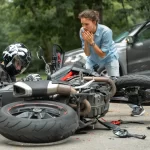
Understanding Comparative Fault in California Motorcycle Crash Cases After a motorcycle accident in California, one of the first legal concepts that may arise is “comparative fault.” Insurance companies frequently bring it up, and it can significantly affect how much compensation an injured rider ultimately recovers. Unfortunately, in motorcycle crash cases, comparative fault is often misused to unfairly reduce payouts. Understanding how the rule works—and how it should properly be applied—is critical for protecting your rights. At William E. Weiss, Attorney at Law, we represent motorcycle riders throughout the San Francisco Bay Area who have been injured due to negligent drivers. We know how comparative fault arguments are raised in San Francisco motorcycle crashes, and we know how to challenge attempts to shift responsibility away from careless motorists. What Is Comparative Fault Under California Law? California follows a “pure comparative negligence” system. This means that if both parties share blame for an accident, the injury victim only receives proportional compensation that reflects the other party’s level of fault. For example, if a jury determines that a negligent driver caused a motorcycle crash but assigns a percentage of fault to the rider, the total damages awarded are reduced by that percentage. So, if a plaintiff is found to be 20% at fault for a $100,000 injury, they can only recover $80,000 (80%) of their damages. Unlike some states that bar recovery if a party is 50% or more than 50% at fault, California allows injured individuals to recover damages even if their fault is greater than 50%. The focus is on allocating responsibility fairly based on evidence and holding negligent drivers accountable for the damage they caused through their negligence. In theory, comparative fault is a neutral legal doctrine designed to allocate damages proportionally. In practice, however, it often becomes a strategic tool used by insurance companies to reduce what they must pay, especially in motorcycle accident claims. Why Comparative Fault Comes Up So Often in Motorcycle Cases Motorcycle crashes frequently involve severe injuries and substantial damages. Because the financial exposure is high, insurers search for ways to minimize payouts. One common approach is to suggest that the rider’s conduct contributed to the collision, even when the primary cause was a driver’s negligence. Motorcyclists are particularly vulnerable to these arguments because of persistent stereotypes about riding behavior. Claims that a rider was “going too fast,” “came out of nowhere,” or was “hard to see” are often used to justify shifting a percentage of fault. These assertions must be evaluated carefully and tested against objective evidence. Comparative fault should never be based on assumptions about motorcycles. It must be grounded in provable facts, traffic laws, and physical evidence from the crash scene. How Insurance Companies Attempt to Inflate Fault Percentages Insurance adjusters and defense attorneys may attempt to increase the rider’s assigned fault in several ways: • By relying heavily on the at-fault driver’s version of events. • By selectively interpreting skid marks, vehicle positioning, or damage patterns. • By emphasizing generalized claims about visibility or reaction time without expert support. • By mischaracterizing normal riding behavior as reckless. Even a modest percentage increase can substantially reduce a compensation award. For example, in a serious injury case involving six-figure damages, a 20% allocation of fault could mean tens of thousands of dollars less in recovery. Because of this financial impact, comparative fault disputes are often central to motorcycle crash litigation. Evidence Matters More Than Allegations The allocation of fault in a motorcycle accident case should be based on concrete evidence, not speculation. This may include traffic camera footage, dashcam recordings, eyewitness testimony, event data recorder information, intersection sightline analysis, and accident reconstruction reports. In many cases, physical evidence contradicts a driver’s claim that the rider was at fault. The point of impact, braking distances, and vehicle damage patterns often reveal which party failed to yield, changed lanes unsafely, or violated traffic signals. An experienced motorcycle accident attorney ensures that this evidence is preserved early and presented clearly. We often seek to obtain video from security cameras where we see their presence at the accident scene. When vehicles, such as Teslas, have video cameras on when they are involved in an incident, we work to obtain that video and put the insurance company on notice that the video must be preserved as part of the claim process. Once inaccurate fault assumptions appear in a police report or insurance file, they can influence the entire case. Early intervention is critical. Comparative Fault Does Not Change Driver Responsibilities It is important to remember that California drivers have a legal duty to operate their vehicles safely, remain attentive, and yield when required by law. That duty does not diminish because the other vehicle is a motorcycle. Courts evaluate whether each party met their legal obligations under traffic statutes and general negligence principles. A driver who turns left in front of an oncoming motorcycle, changes lanes without checking mirrors, or merges without yielding cannot avoid responsibility simply by raising comparative fault arguments. The legal analysis focuses on conduct, not on vehicle type. How Comparative Fault Affects Settlement Negotiations Most motorcycle accident cases resolve through negotiated settlements rather than trial. During settlement discussions, insurers frequently reference comparative fault as leverage to justify lower offers. They may argue that a jury could assign a percentage of fault to the rider, even if the evidence supporting that claim is weak. This is where experienced legal representation becomes essential. A lawyer who understands motorcycle dynamics, roadway engineering, and injury biomechanics can push back effectively against exaggerated fault claims. By presenting a strong liability case, it becomes much more difficult for insurers to justify reductions. When necessary, taking a case to litigation signals that unsupported comparative fault allegations will not be accepted. Why Legal Advocacy Is Especially Important for Riders Motorcycle accident cases are different from car accident cases. The injuries are often more severe, the property damage more dramatic, and the stakes higher. Because of this, insurers invest significant resources into defending these claims and minimizing exposure. At William E. Weiss, Attorney at Law, we understand both the legal framework of comparative negligence and the practical tactics used in motorcycle crash litigation. We work to ensure that fault assessments are fair, evidence-based, and consistent with California law. Our approach is thorough, strategic, and focused on protecting injured riders from improper reductions in compensation. Protecting Your Recovery After a Bay Area Motorcycle Crash If you have been injured in a motorcycle accident in the San Francisco Bay Area, comparative fault may become part of your case whether you expect it or not. The key is making sure it is applied correctly and not used as a tool to undervalue your claim. William E. Weiss has decades of experience representing motorcyclists and successfully challenging attempts to unfairly shift blame. If you are facing questions about liability after a crash, contact our office for a free consultation. We will review the facts of your case, explain how comparative fault may apply, and fight to secure the full compensation you deserve under California law.

Understanding Comparative Fault in California Motorcycle Crash Cases

By William E. Weiss |

After a motorcycle accident in California, one of the first legal concepts that may arise is “comparative fault.” Insurance companies frequently bring it up, and it can significantly affect how much compensation an injured rider ultimately recovers. Unfortunately, in motorcycle crash cases, comparative fault is often misused to unfairly reduce payouts. Understanding how the… Read More »

Crash on the road. Close up of a motorcycle accident on the road

What to Do in the First 48 Hours After a Motorcycle or Car Crash in California

By William E. Weiss |

The first 48 hours after a motorcycle or car crash are chaotic, stressful, and often physically overwhelming. Yet those same two days are also the most critical period for protecting your health, your legal rights, and your ability to pursue full financial recovery. Evidence is fragile, memories fade quickly, and insurance companies begin positioning… Read More »

Lone motorbike rider on the expressway

Why Motorcycle Riders Deserve Equal Protection on California Roads

By William E. Weiss |

Motorcycle riders in California face unique risks on the road, and those risks extend far beyond the physical dangers of a crash. While car and truck drivers are largely protected by safety features and societal assumptions of responsibility, motorcyclists often encounter bias, misunderstanding, and unequal treatment—whether dealing with insurance companies or interacting with law… Read More »

National Park, road to Sturgis

America the Beautiful Motorcycle Fairness Act: What Riders Need to Know

By William E. Weiss |

Washington, D.C. — Congressman Tim Walberg (MI-05) has introduced the America the Beautiful Motorcycle Fairness Act to alleviate an unfair financial burden placed on motorcyclists visiting national parks. The legislation would amend the Federal Recreation Land Enhancement Act to require the Secretary of the Interior to issue guidance stating that one America the Beautiful Annual Pass will permit… Read More »
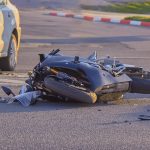
a bike crashed into a car a motorcyclist was injured police investigation fingerprint investigator.

Fighting Anti-Motorcycle Bias in Personal Injury Claims

By William E. Weiss |

For riders injured in a motorcycle crash, the road to justice can be more difficult than it should be, not because of the facts of the accident, but because of the persistent and unfair bias against motorcyclists. Insurance companies, juries, and even law enforcement sometimes view riders through a lens clouded by stereotypes. At… Read More »

Close-up view on retro motorcycle headlights.

Harley-Davidson Recalls Over 82,000 Motorcycles Due to Safety Hazard

By William E. Weiss |

For motorcycle enthusiasts, particularly those loyal to the Harley-Davidson brand, recent news about a substantial recall highlights the importance of awareness and vigilance concerning motorcycle safety. Harley-Davidson, a revered American motorcycle manufacturer known for its iconic bikes, recently announced a recall affecting over 82,000 Softail motorcycles due to a potentially dangerous defect. Details of… Read More »

Futuristic electric motorbike, robotic motorcycle

What California Senate Bill 586 Means for Electric Off-Highway Motorcycle Riders

By William E. Weiss |

As electric vehicles continue to evolve, so too must the laws that govern them. In California, Senate Bill 586 (SB 586), introduced during the 2025–2026 legislative session, proposes a new legal framework to address an increasingly common vehicle on our trails and open spaces: the electric off-highway motorcycle, also known as an “eMoto.” For… Read More »

People crossing street Cycling and Walking Traffic sign Smart city Urban lifestyle outdoor

California Passes New Law for “Complete Streets” That Safely Accommodate Pedestrians, Cyclists, and Others

By William E. Weiss |

​In September 2024, Governor Gavin Newsom signed Senate Bill 960 (SB 960) into law, marking a significant advancement in California’s transportation planning. Authored by Senator Scott Wiener of San Francisco, this legislation mandates the California Department of Transportation (Caltrans) to prioritize the implementation of “complete streets” facilities in all state highway projects. The objective… Read More »
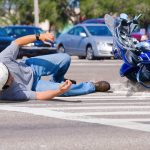
Man in helmet fallen on crosswalk beside a tipped-over blue motorcycle.

Motorcycle Accident Claims Against the Government

By William E. Weiss |

Motorcycle accidents in San Francisco can happen for various reasons, including other drivers’ negligence, environmental hazards, or poor road conditions. When accidents are due to the city, county, or state government’s failure to maintain safe roadways, injured motorcyclists may have grounds to file a claim against the government entity responsible. These cases involve specific… Read More »

Designed and Powered by NextClient

© 2015 - 2026 William E. Weiss. All rights reserved.
Custom WebShop™ law firm website design by NextClient.com.

Contact Form Tab